
How Landscape Design Services Increase Property Value
In the competitive world of real estate, one factor increasingly gaining attention is the impact of landscape design on property value. Not only does it enhance the aesthetic appeal of a property, but landscape design also provides significant economic and environmental benefits. In this article, we will explore various facets of landscape design, including its basics, economic advantages, environmental benefits, modern trends, and impactful case studies. As property owners strive to differentiate their assets in the market, investing in professional landscape design services can substantially increase property value while helping properties stand out in a crowded housing market.
Understanding the Basics of Landscape Design
Definition and Scope of Landscape Design
Landscape design is the art of arranging or modifying the features of a yard, an urban area, or other spaces for aesthetic or practical purposes. It involves planning the space to create functional, sustainable, and appealing environments. This process requires a deep understanding of horticulture, architecture, and environmental sustainability, blending natural elements with structural features to enhance the outdoor experience.
The scope of landscape design includes residential properties, commercial developments, and public green spaces. Residential projects often focus on creating relaxing outdoor environments and improving curb appeal, while commercial landscapes aim to attract visitors and enhance brand perception. In both settings, landscape design services help property owners organize outdoor spaces in ways that maximize visual impact and long-term usability.
Successful landscapes also rely on fundamental design principles such as balance, proportion, color harmony, and spatial organization. These principles guide the placement of plants, pathways, and structures to produce a cohesive environment. When implemented effectively, these strategies transform ordinary yards into inviting outdoor environments that enhance property value.
The History and Evolution of Landscape Design
Landscape design has a long and fascinating history that reflects evolving cultural values and environmental awareness. Ancient civilizations such as the Egyptians and Persians incorporated gardens into their architectural plans as places of beauty and relaxation. One of the most famous examples is the Hanging Gardens of Babylon, which demonstrated early innovation in structured landscapes.
During the Renaissance and Enlightenment periods, landscape design evolved into a refined art form. French formal gardens emphasized symmetry and geometric order, while English landscape gardens embraced a more naturalistic style with flowing lawns and meandering paths. These traditions influenced many modern landscaping practices that continue to shape residential and commercial landscapes today.
In contemporary design, sustainability and environmental responsibility have become central themes. Modern landscape design services frequently incorporate native plants, efficient irrigation systems, and environmentally friendly materials to create landscapes that are both beautiful and ecologically responsible.
Key Components of Effective Landscape Design
An effective landscape design relies on several key components working together to create a cohesive outdoor environment. Plant selection is one of the most important elements, as different species provide varying colors, textures, and seasonal interest. Selecting plants that thrive in the local climate ensures longevity while reducing maintenance demands.
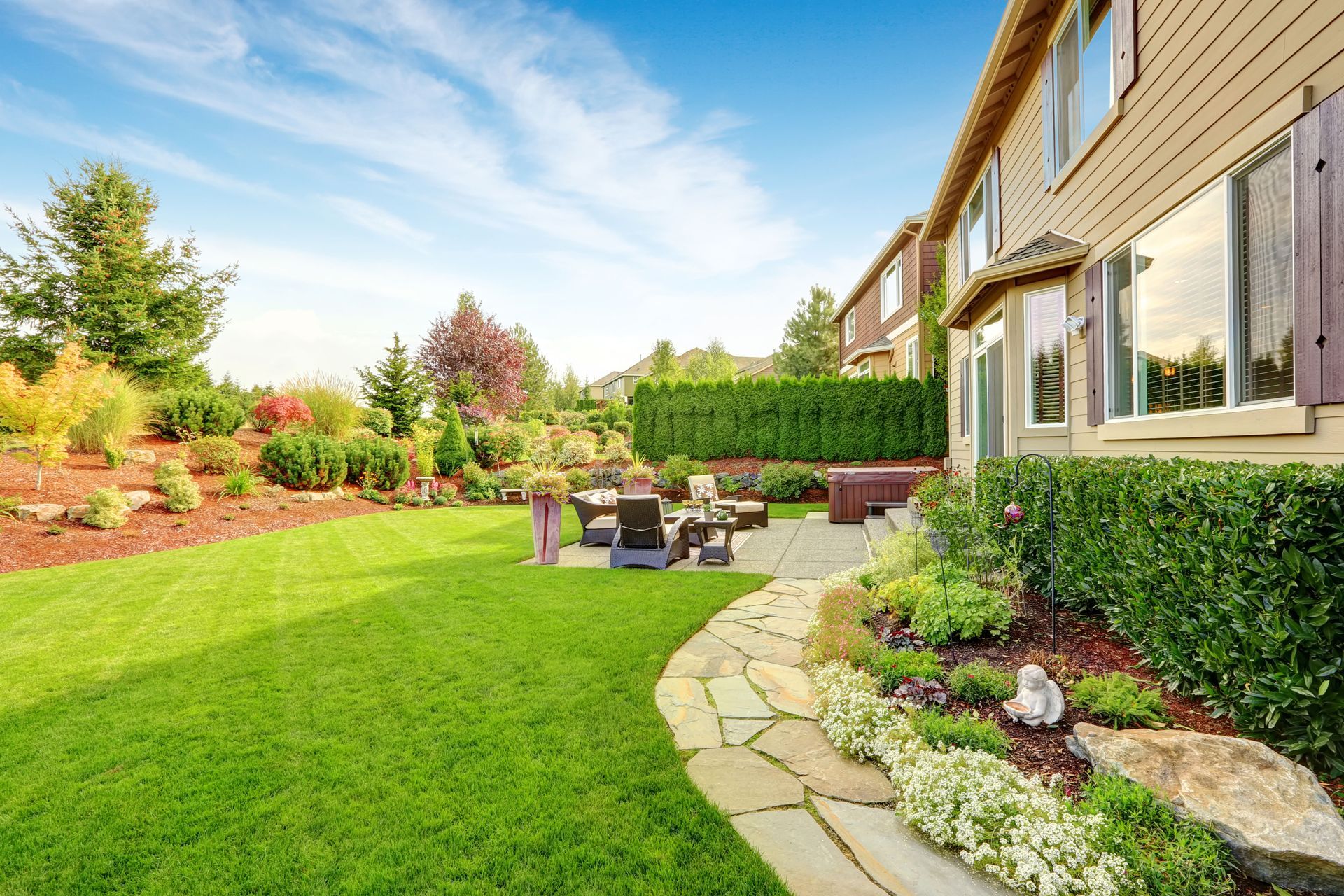
Hardscaping features such as patios, walkways, retaining walls, and outdoor kitchens also play an important role in shaping the structure of the landscape. These elements define how people move through outdoor spaces and create designated areas for gathering and relaxation.
Lighting is another essential design component. Well-placed lighting highlights architectural features, improves safety along pathways, and extends the usability of outdoor areas during the evening hours. By combining plants, structures, and lighting, designers create landscapes that feel balanced and functional.
The Role of a Professional Landscape Designer
A professional landscape designer brings both technical knowledge and creative insight to the planning process. Designers analyze site conditions such as soil quality, drainage patterns, and sun exposure before developing a detailed layout that complements the property’s architecture.
Designers also work closely with homeowners to understand their preferences, lifestyle needs, and budget constraints. Through consultations and site assessments, they translate ideas into practical design plans that improve both aesthetics and functionality.
Many homeowners rely on professional landscaping specialists to manage complex projects that involve contractors, materials, and construction timelines. Professional oversight helps ensure that the finished landscape reflects the intended vision while meeting structural and environmental standards.
DIY vs. Professional Landscape Design
When planning outdoor improvements, many homeowners consider whether to tackle the project themselves or hire professionals. A DIY approach may be appealing because it can reduce initial costs and provide a sense of personal accomplishment.
However, landscaping projects often involve technical considerations such as grading, irrigation planning, and plant compatibility. Without proper expertise, mistakes can lead to drainage problems or plant failure, resulting in higher long-term expenses.
Professional landscape design services help eliminate these risks by providing expert planning and installation strategies. By working with experienced designers, property owners gain access to industry knowledge that results in cohesive, long-lasting landscapes.
Economic Benefits of Landscape Design Services
The Return on Investment (ROI) from Landscaping
One of the most compelling reasons homeowners invest in landscaping is the potential financial return. Well-designed outdoor spaces significantly improve curb appeal, which can increase property value and attract potential buyers.
Research consistently shows that landscaping projects can deliver a strong return on investment. In many cases, well-planned landscaping can raise property value by as much as 10 to 20 percent. This increase occurs because buyers perceive well-maintained landscapes as indicators of overall property care.
By working with landscape design services, homeowners can strategically invest in improvements that offer the greatest financial impact. From tree placement to outdoor living spaces, thoughtful planning enhances both beauty and long-term value.
How Landscaping Affects Property Appraisals
Property appraisers consider landscaping when evaluating a home's market value. A well-maintained and thoughtfully designed yard contributes to a positive first impression and reflects the overall quality of the property.
Features such as mature trees, defined walkways, and structured garden beds can significantly influence appraisal outcomes. These elements create a sense of completeness that enhances the perceived value of the home.
Professional landscaping planners can help homeowners implement improvements that align with appraisal standards, increasing the likelihood of favorable valuation results.
Increasing Curb Appeal to Attract Buyers
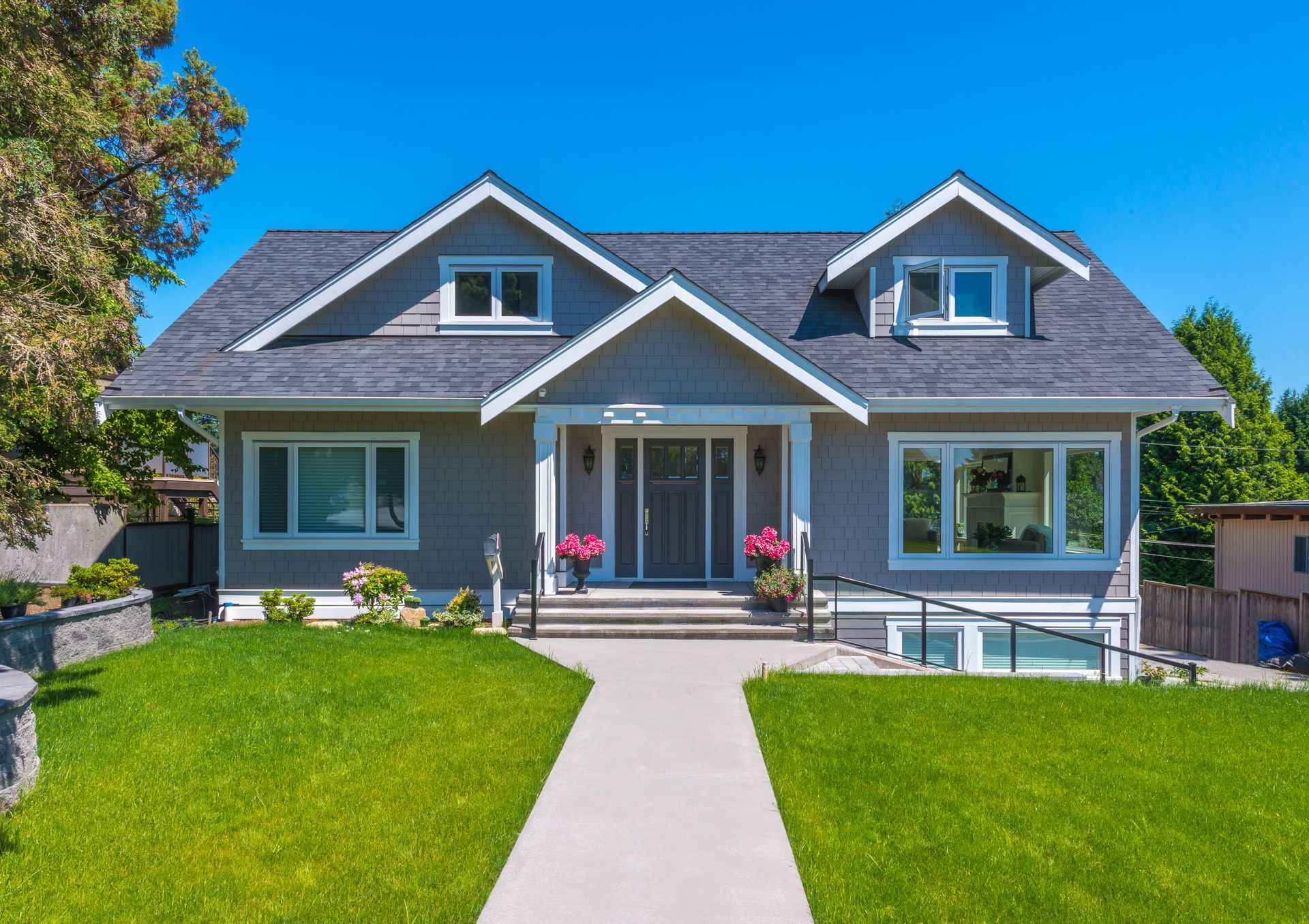
Curb appeal is often the first element potential buyers notice when viewing a property. A welcoming and visually appealing landscape immediately creates a positive emotional response.
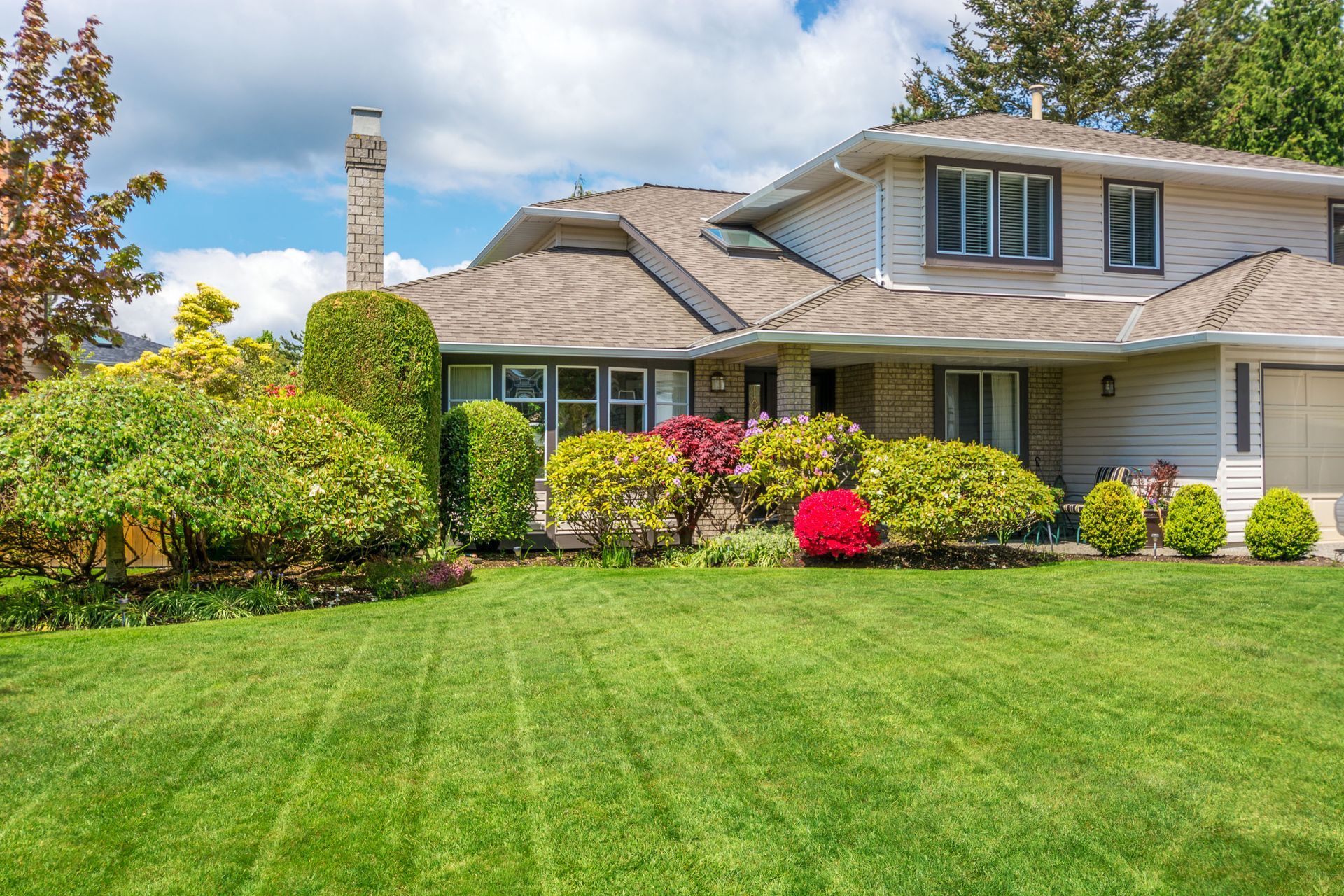
Elements such as flowering plants, neatly trimmed lawns, and attractive walkways guide visitors toward the home's entrance. Symmetrical planting patterns and seasonal color also help create a visually striking exterior.
When homeowners invest in expert outdoor design professionals, they often see increased buyer interest and faster property sales because the property stands out among competing listings.
Energy Efficiency and Cost Savings
Strategic landscaping can improve a home's energy efficiency by reducing heating and cooling demands. Trees positioned near a home provide shade during summer months while acting as windbreaks during colder seasons.
According to the U.S. Department of Energy, well-placed trees can significantly reduce cooling costs by shading roofs and walls. These natural climate controls lower energy consumption and utility expenses.
Outdoor planning specialists often include energy-conscious strategies that improve comfort while reducing household operating costs.
Long-term Financial Impacts
Landscaping investments continue to deliver benefits long after installation is complete. Well-designed outdoor spaces require less maintenance, reduce energy expenses, and increase property desirability.
Outdoor living spaces also enhance lifestyle value by creating environments for relaxation, recreation, and entertaining guests. These benefits contribute to both financial and personal satisfaction.
By working with landscape design services, property owners can develop landscapes that provide lasting enjoyment while strengthening the long-term value of their investment. Contact our team at OMEGA today and get connected with our landscaping services.
Share On: